Many homeowners focus primarily on roofing materials when trying to protect their homes from heat, rain, and storm damage, but roof ventilation is an equally important factor that is often overlooked. In humid climates, balanced roof ventilation plays a critical role in protecting both the roof structure and the overall indoor environment. Without proper airflow through the attic and roofing system, moisture can become trapped beneath the roof deck, creating conditions that slowly damage materials over time. High humidity levels combined with intense heat can place significant stress on roofing systems, especially in regions where warm temperatures remain consistent throughout most of the year. While leaks and visible roof damage are easier for homeowners to recognize, hidden moisture buildup caused by poor ventilation can quietly create long-term structural problems before obvious signs appear inside the home.
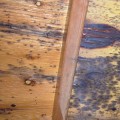
Balanced ventilation works by allowing fresh air to enter through intake vents while warm, moisture-heavy air exits through exhaust vents near the roof peak. When this airflow system functions properly, it helps regulate attic temperatures and reduces condensation buildup. In humid climates, this becomes especially important because moisture accumulation can affect insulation, wood framing, underlayment materials, and even indoor air quality. Excess humidity trapped inside attic spaces may contribute to mold growth, wood rot, mildew, and premature deterioration of roofing components. Many homeowners mistakenly assume that roof ventilation matters only during colder seasons, but in humid environments, moisture management is a year-round concern that directly affects the lifespan of the roof.
The Long-Term Impact of Poor Roof Ventilation
One of the lesser-known consequences of inadequate ventilation is the strain it places on cooling systems. Attics in humid climates can reach extremely high temperatures during the day, especially when airflow is restricted. Heat trapped beneath the roof can transfer downward into living spaces, forcing air conditioning systems to work harder to maintain comfortable indoor temperatures. Over time, this increased energy demand may lead to higher utility bills and additional wear on HVAC equipment. Balanced roof ventilation helps reduce excessive attic heat while allowing moisture-laden air to escape more efficiently, which can improve overall energy performance throughout the home.
Improper ventilation can also shorten the lifespan of roofing materials themselves. Asphalt shingles exposed to constant heat buildup may age more rapidly, leading to curling, cracking, or premature granule loss. Wood components beneath the roofing system can weaken when exposed to persistent moisture, increasing the likelihood of structural deterioration over time. In some situations, homeowners invest heavily in new roofing installations without realizing that ventilation problems may continue damaging the system from underneath. Roofing professionals often stress that ventilation should be evaluated alongside roofing materials during inspections or replacement projects. Even a highly durable roofing system may struggle to perform properly if airflow throughout the attic remains unbalanced. A skilled commercial roofer may frequently encounter large buildings or residential properties where hidden ventilation deficiencies contribute to moisture damage that property owners did not initially notice.
Why Prevention Is More Effective Than Repairs
Another important consideration in humid climates is how quickly hidden moisture problems can escalate once they begin. Small ventilation imbalances may not create immediate visible symptoms, but over time, condensation buildup can spread throughout insulation, decking, and framing systems. Homeowners sometimes discover mold issues, ceiling stains, or musty odors long after the original ventilation problem started developing. Because these issues often remain hidden inside attic spaces, regular inspections become an important part of long-term roof maintenance in humid regions.
Balanced roof ventilation is not simply a minor roofing detail but a major component of protecting a home’s structure, efficiency, and indoor comfort. Proper airflow helps regulate temperature, manage humidity, and reduce the risk of hidden moisture damage that can quietly shorten the life of a roofing system. In humid climates especially, homeowners who prioritize ventilation alongside roofing materials are often better positioned to avoid costly repairs, improve energy efficiency, and maintain healthier indoor environments over the long term.