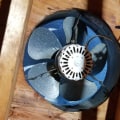
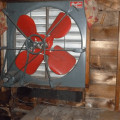
Attic fans play an important role in maintaining a home’s ventilation by removing excess heat and moisture from the attic space. This helps regulate indoor temperatures, reduce strain on HVAC systems, and prevent issues such as mold growth or insulation damage. While attic fans may seem like a simple addition, their effectiveness depends heavily on proper installation. Because they are powered by electrical systems and often integrated into the home’s wiring, professional installation is essential to ensure both performance and safety.
The Importance of Proper Electrical Connections
One of the most critical aspects of installing an attic fan is establishing safe and reliable electrical connections. Improper wiring can lead to a range of issues, including inconsistent operation, electrical shorts, or even fire hazards. Electricians are trained to handle these connections, ensuring that the fan is properly integrated into the home’s electrical system. They also verify that the circuit can handle the additional load and that all components meet safety standards. Working with experienced professionals, such as those from Berkeys, helps ensure that the installation is completed correctly and in compliance with local codes.
Ensuring Optimal Placement and Performance
Proper installation goes beyond wiring—it also involves selecting the right location for the attic fan. Placement affects how effectively the fan can circulate air and remove heat from the space. An electrician, often working alongside other professionals, can help determine the best positioning to maximize airflow and efficiency. This includes considering factors such as attic size, ventilation openings, and insulation. Correct placement ensures that the fan operates at peak performance, providing the intended benefits for the home.
Preventing Structural and Moisture Issues
Incorrect installation of an attic fan can lead to structural and moisture-related problems. For example, improper sealing around the fan unit can allow water to enter the attic, causing damage to insulation, wood, and other materials. Additionally, poor installation may disrupt the balance of the home’s ventilation system, leading to condensation or uneven airflow. Professional electricians ensure that all components are securely installed and properly sealed, protecting the home from potential damage.
Enhancing Energy Efficiency and Comfort
When installed correctly, attic fans contribute to improved energy efficiency by reducing heat buildup in the attic. This helps lower indoor temperatures and decreases the workload on air conditioning systems, leading to energy savings. Proper installation ensures that the fan operates efficiently and consistently, providing long-term benefits for homeowners. By maintaining optimal attic conditions, the fan also enhances overall comfort within the home.
Supporting Long-Term Reliability and Maintenance
Professional installation also supports the long-term reliability of attic fans. Electricians ensure that all components are installed according to manufacturer specifications, reducing the likelihood of malfunctions or premature wear. Proper installation makes future maintenance and repairs easier, as components are accessible and correctly configured. Regular inspections and maintenance further extend the lifespan of the fan, ensuring continued performance over time.
Investing in Safe and Effective Installation
Ultimately, attic fans require proper installation by a qualified electrician to deliver their full benefits. From ensuring safe electrical connections to optimizing placement and performance, professional expertise is essential for a successful installation. By investing in proper installation, homeowners can enjoy improved ventilation, energy efficiency, and peace of mind, knowing that their attic fan is operating safely and effectively.