Many homeowners think of attic fans primarily as a way to reduce indoor temperatures or improve comfort during the warmer months, but their influence extends well beyond energy efficiency. Proper attic ventilation plays a significant role in protecting the roof system, preserving structural components, and supporting the overall health of a home. Heat and moisture naturally accumulate inside attics, especially in climates that experience high summer temperatures or seasonal humidity. Without adequate ventilation, these conditions can accelerate the deterioration of roofing materials, contribute to wood decay, reduce insulation performance, and create an environment where mold and mildew may develop. Attic fans help regulate airflow by exhausting trapped hot air and moisture, creating conditions that allow the roofing system and structural framework to perform more effectively over time. When incorporated into a well-designed ventilation strategy, attic fans become an important component of long-term home maintenance rather than simply a comfort upgrade.
Ventilation Helps Extend Roof Longevity
Roofing materials are continuously exposed to harsh environmental conditions, including sunlight, temperature fluctuations, wind, rain, and seasonal weather changes. While exterior exposure receives much of the attention, excessive heat trapped beneath the roof can also shorten the lifespan of shingles and other roofing materials. High attic temperatures increase thermal stress, causing roofing components to expand and contract more frequently, which may accelerate aging and reduce overall durability. During colder months, inadequate attic ventilation can also allow moisture to accumulate beneath the roof deck, increasing the likelihood of wood deterioration and compromising insulation performance. Properly functioning attic fans help maintain balanced airflow that reduces excessive heat buildup while allowing moisture to escape before it causes damage. Engineering professionals, including companies such as Open Concept Engineering, recognize that protecting structural systems requires attention to every part of the building envelope, including ventilation components that support the long-term performance of the roof and surrounding structural elements.
Protecting Structural Health from Hidden Moisture
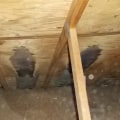
The relationship between attic ventilation and structural health is often overlooked because much of the damage develops gradually and remains hidden from view. Moisture trapped inside an attic can affect roof framing, rafters, trusses, and sheathing long before visible signs appear within living spaces. Prolonged exposure to elevated humidity may weaken wooden structural members, encourage mold growth, and reduce the effectiveness of insulation, leading to higher energy costs and additional maintenance concerns. Poor ventilation can also create conditions that affect fasteners and metal connectors through corrosion over extended periods. By promoting continuous air circulation, attic fans help reduce moisture accumulation that might otherwise compromise important structural components. Combined with regular roof inspections and proper insulation, effective ventilation supports a healthier building envelope that performs more consistently throughout changing weather conditions. Preventing these hidden problems is often more cost-effective than repairing structural damage after it has progressed significantly.
A Small Investment with Long-Term Benefits
Maintaining a durable roof and healthy structural system requires more than replacing shingles when they wear out. Homeowners benefit from viewing attic ventilation as part of a comprehensive approach to protecting the entire home. Routine inspections of attic fans, roof vents, insulation, and ventilation pathways help ensure that airflow remains balanced and unobstructed throughout the year. Proper ventilation can also contribute to improved indoor comfort, lower cooling demands, and reduced strain on HVAC systems by preventing excessive attic temperatures from transferring into living spaces. More importantly, it supports the long-term integrity of the roof structure by reducing conditions that contribute to premature deterioration. Ultimately, the connection between attic fans, roof longevity, and structural health highlights how seemingly small building systems can have a significant influence on overall home performance. By investing in proper ventilation and ongoing maintenance, homeowners protect not only their roofing materials but also the structural framework that supports the entire house, creating a safer, more efficient, and longer-lasting home for years to come.